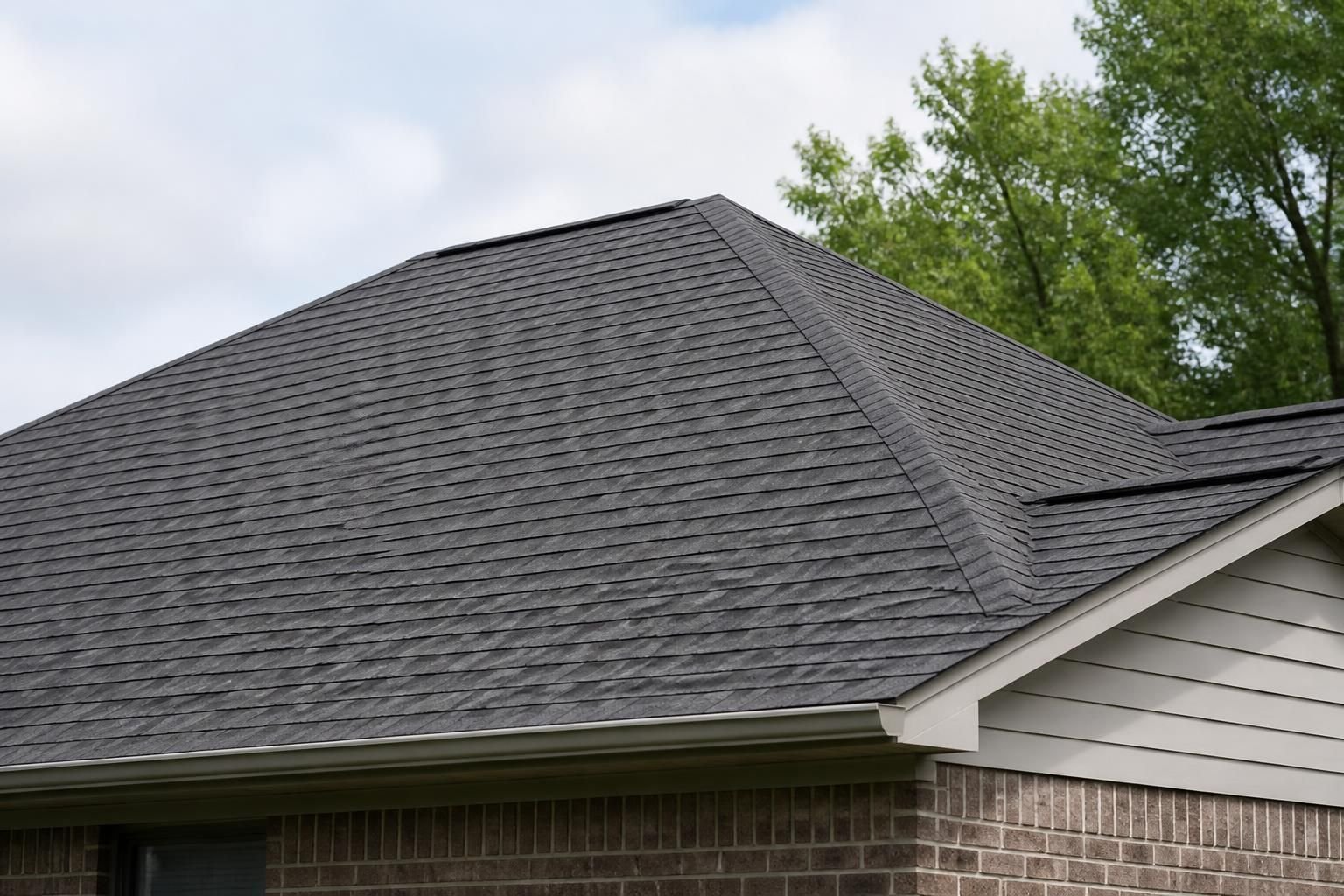
Missing shingles, lifted flashing, ceiling stains, or fresh leaks after a storm should never be ignored. Even when damage looks minor from the ground, water can travel under roofing materials and into the decking, insulation, or interior finishes before the problem is obvious.
If your roof took on hail, wind, heavy rain, or falling debris, IronCrest Construction Group can inspect the damage, explain what needs attention, and outline a repair or replacement path that fits the condition of the roof and the property.
After a storm, the most important step is noticing what changed. Some problems show up right away, while others reveal themselves over the next few days as moisture moves through the structure.
Storm damage is not always dramatic. A roof can still look acceptable from the street while hidden damage creates leaks or weak points that spread over time. That is why a close inspection matters after severe weather.
Iron Crest Roofing begins with a detailed roof assessment focused on visible storm impact and signs of hidden trouble. We look at the roof surface, flashing, penetrations, valleys, edges, and areas where water is most likely to enter.
We evaluate the condition of the roof and note signs of hail, wind, or water-related damage.
We identify whether the issue is limited to a small section or affects a wider portion of the roof system.
We explain what can be repaired, what may need replacement, and what should be watched closely.
We help organize the next steps so the work matches the condition of the property and the extent of the damage.
This process is meant to give property owners clear information quickly. When a roof is leaking or visibly damaged, a direct plan is often the difference between a contained repair and broader restoration work.
Storms can damage more than the roof surface. Water intrusion and impact damage often spread into other parts of the property if the issue remains open for too long.
Shingles, underlayment, decking, flashing, vents, and roof penetrations may all be affected by hail, wind, or debris. Some damage can be hidden until the old roofing materials are removed.
When water enters the home or building, it can stain ceilings, damage drywall, affect insulation, and create additional repair needs inside the property. The longer water moves through the structure, the more areas may need attention.
Storm-related roofing problems can also lead to exterior damage around fascia, soffits, gutters, and adjoining surfaces. We look at the full path of damage so nothing important is missed.
Not every storm-damaged roof needs full replacement. Some properties only need targeted repairs, while others have enough widespread damage or age-related wear that replacement makes more sense.
We help Dallas property owners think through the condition of the roof using a practical approach. A roof with isolated missing shingles may be a repair candidate. A roof with repeated leaks, broad hail impact, or large sections of aging material may call for a larger restoration plan.
When we evaluate repair versus replacement, we consider:
That kind of review helps avoid temporary fixes that do not address the real problem.
Storm damage can affect many roof systems, and the repair approach changes based on the material and the way the roof was built. IronCrest Construction Group works with a range of roof types across Dallas and surrounding communities.
Shingle roofs often show missing tabs, lifted edges, bruising from hail, and worn sections after high winds. We inspect the full surface and surrounding details, not just the obvious problem spot.
Metal roofing can develop punctures, seam separation, denting, or movement at fasteners and trim pieces. We look closely at areas where water could enter around joints and edges.
Tile roofs may suffer cracks, displacement, or broken sections, while flat roofing can show ponding-related stress, membrane damage, or leak points around flashing and penetrations.
Storm restoration often involves more than the physical repair work. Many owners need clear documentation that shows where the damage is, what was affected, and what needs to happen next. We can help with that part of the process.
Iron Crest Roofing can document visible roof damage, explain the condition of key roofing components, and help organize information for insurance-related property claims when needed. We also support coordination during the restoration plan so the roof work and any related repairs stay aligned.
For many Dallas property owners, having a straightforward explanation from the start helps reduce confusion and keeps the project moving with fewer surprises.
Some storm damage goes beyond the roof itself. Once water reaches the structure, related repairs may be needed to return the property to a sound condition.
Depending on what the inspection reveals, restoration may include:
We keep the scope focused on the actual damage rather than pushing unnecessary work. The goal is to restore what the storm affected and protect the property from repeat problems.
IronCrest Construction Group serves Dallas homeowners, property managers, business owners, and commercial property owners who need storm damage restoration after severe weather. We also work throughout nearby communities across the DFW area, including Irving, Garland, Carrollton, Fort Worth, Arlington, Plano, Frisco, McKinney, Denton, Grand Prairie, and Southlake.
If your property has visible roof damage or signs of a leak after a storm, a prompt inspection can help you understand the condition before the problem spreads. The sooner damage is evaluated, the easier it is to choose the right repair path.
Look for new ceiling stains, attic moisture, loose shingles, displaced flashing, or roof debris after severe weather. Some of the most important damage is only visible during a close roof inspection.
Yes. Water can work its way through a weak point and show up later as staining or dripping. A delayed leak often points to storm-related damage that needs attention.
From the ground, look for missing shingles, bent metal pieces, visible debris impact, or sections that appear lifted. Do not climb onto the roof if it looks unstable or if conditions are still unsafe.
No. Some roofs only need targeted repairs. The right choice depends on the amount of damage, the age of the roof, and whether leaks or widespread wear are already present.
Yes. When roof damage has led to leaks, we can evaluate the roof condition and discuss related interior repairs tied to the storm event.
Take note of the date of the storm, look for visible changes, and arrange a roof inspection as soon as possible. Fast review makes it easier to document the damage and plan the next step.
If your Dallas property was hit by hail, wind, heavy rain, or falling debris, IronCrest Roofing can help you understand what the roof needs and what can wait. Call +18444766669 to schedule a free estimate and get a clear restoration plan for your roof and related damage.
Get Started
Share what you are seeing, whether it is a leak, missing shingles, storm damage, or an aging roof. We will review the condition of the roof and help you choose the next best step for your property.