A ceiling stain, missing shingles, or a drip after rain can turn into a bigger problem faster than most homeowners expect. If your roof is showing signs of wear, the next step is a careful repair plan that addresses the source, not just the visible damage.
IronCrest Construction Group helps Dallas property owners deal with roof leaks, storm damage, flashing failures, shingle loss, and aging roof sections with clear recommendations and practical repairs. We start with the condition of the roof, explain what we find, and focus on the fix that matches the damage.
Roof problems often show up before water reaches the interior. A quick response can help limit damage to decking, insulation, drywall, and finishes. Some warning signs are easy to spot from the ground, while others show up only after a close inspection.
If you notice any of these, a repair visit can help determine whether the roof needs a small section repair or a broader restoration plan.
Roof repair starts with finding the source. A stain on a ceiling does not always line up with the exact place where water entered, so a close inspection matters. IronCrest Construction Group looks at the visible symptoms and the roof details that commonly fail first.
We check shingles, metal details, flashing, vents, valleys, and roof penetrations for visible damage, loosening, or wear patterns that point to leak entry points.
When a leak is active or has left a trail, we trace the path of water through the roof layers to narrow down the likely source. That helps avoid temporary fixes that miss the real issue.
Once the damage is identified, we explain the available repair options and what each one is meant to correct. The goal is a solution that fits the roof condition, not a one-size-fits-all patch.
Every roof repair is different. Some roofs only need a small area addressed, while others need several connected repairs to stop recurring leaks. The right approach depends on the roof material, the age of the system, and the amount of damage.
IronCrest Construction Group keeps the process straightforward so Dallas homeowners understand what is being repaired and why it matters.
Different roof systems fail in different ways. Matching the repair to the material helps the fix blend with the existing roof and address the right weak points.
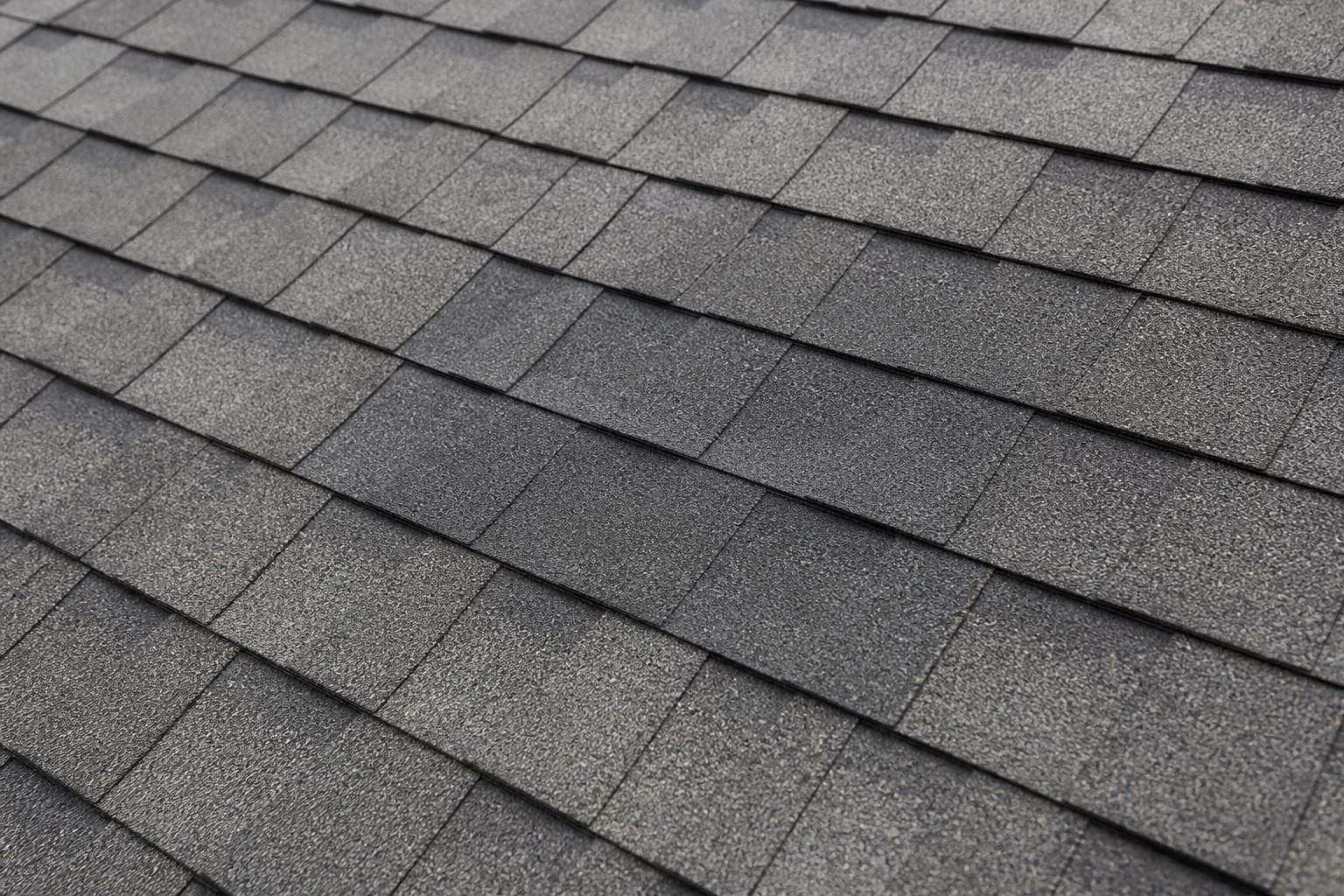
Shingle repair often involves replacing damaged sections, correcting lifted edges, and checking the surrounding area for additional loosened tabs or exposed underlayment.
Metal roof repair may involve fasteners, seams, flashing, or panel details that have shifted over time or after storm impact.
Tile repair can require attention to broken units, underlayment exposure, and the areas around penetrations where water commonly enters.
Flat roofing repairs often focus on seams, transitions, ponding-related wear, and areas where water has found a weak point.
Storms can leave a roof with damage that is hard to see from the ground. A missing shingle may be easy to notice, but hail strikes, lifted flashing, and hidden punctures can be less obvious and still create leaks later.
After hail, wind, heavy rain, or falling debris, we can inspect the roof, document visible damage, and explain whether repair or replacement makes more sense for the condition of the roof. If the roof damage is part of a larger property claim, we can also help organize repair planning and documentation tied to the work that needs to be done.
That kind of follow-up matters because small openings can let repeated water intrusion affect framing, decking, insulation, and ceilings long after the storm has passed.
A roof repair does more than stop a drip. It helps protect the parts of the structure that are expensive and disruptive to fix later. The sooner the damaged area is addressed, the more likely it is that the repair stays limited to the roof itself.
For Dallas homeowners, that means a repair can preserve both the roof system and the parts of the home it shields.
Homeowners often want to know what happens after they call. We keep the process direct so you know what to expect from the first conversation through the finished repair.
This process helps Dallas property owners move from uncertainty to a practical plan without confusion.
Roof repair needs can be different from one property to the next, even when the visible symptom looks similar. A leak near a vent may point to flashing wear, while a stain near a wall can trace back to a valley or a lifted shingle section farther away. That is why a quick patch without a full look at the surrounding roof details can leave the actual problem unresolved.
IronCrest Construction Group works on residential roofs across Dallas with a focus on finding the cause, explaining the fix, and restoring the roof area affected by damage. When the repair is no longer the practical route, we can also talk through roof replacement options so you can make a sound decision for the property.
Any active leak should be taken seriously because water can travel away from the original entry point and affect other parts of the home. A small stain can still signal a larger roof issue above it.
Missing shingles expose the layers below them. Even if the roof is not leaking yet, the open area can become a problem during the next rain or wind event.
Damage around vents, chimneys, valleys, or flashing can often be isolated and repaired if the surrounding roof is still sound. A close inspection helps confirm that.
No. Some storm damage can be repaired without replacing the entire roof. The decision depends on how much of the roof was affected and the overall condition of the system.
Water can move along roof layers, framing, or insulation before it shows up inside. That is why tracing the leak path is part of the repair process.
If it is safe to do so, note where you see stains, drips, or missing shingles, and share when the issue started. That helps narrow the inspection and repair focus.
If your roof is leaking, missing shingles, or showing storm damage, get it checked before the problem spreads. IronCrest Construction Group serves Dallas with roof repair services designed to identify the source, address the damaged area, and help protect the rest of the property.
Call +18444766669 to request a free estimate and schedule your roof repair consultation with IronCrest Construction Group at 1910 Pacific Ave., Ste. 200, Dallas, TX 75201.
Get Started
Share what you are seeing, whether it is a leak, missing shingles, storm damage, or an aging roof. We will review the condition of the roof and help you choose the next best step for your property.